
UNIVERSIDAD CENTROCCIDENTAL LISANDRO ALVARADO
Comisión Institucional de
Directores de Revistas Científicas
Barquisimeto, Venezuela
PORTAL DE REVISTAS CIENTÍFICAS




El Portal de Revistas Científicas de la Universidad Centroccidental Lisandro Alvarado (UCLA), Venezuela, promueve la divulgación de la producción científica nacional e internacional en diversas disciplinas, con la publicación de dieciséis Revistas Científicas editadas por los distintos Decanatos de la Universidad, ofreciendo acceso abierto y gratuito a los contenidos a texto completo, apoyado en el uso de la plataforma Open Journal Systems.
Revistas por área / Revistas por Decanato / Índice por títulos de artículos / Buscar
Revistas científicas en orden alfabético:
Ágora de HeterodoxiasAgroindustria, Sociedad y AmbienteBioagroBoletín Médico de PostgradoCalidad, Tecnología y Desarrollo Agroindustrial (CATEDEA)DissertareGaceta TécnicaGaceta de Ciencias VeterinariasGestión y Gerencia Mayeútica Revista científica de Humanidades y ArtesPublicaciones en Ciencias y TecnologíaRevista Electrónica REDINERevista Científica CompendiumRevista Venezolana de Salud PúblicaSalud, Arte y CuidadoTeorías, Enfoques y Aplicaciones en las Ciencias Sociales (TEACS)


ÁGORA DE HETERODOXIAS es una revista científica de acceso abierto, que a partir del 2018 pasó a ser una publicación de Ciencias Sociales. Es interdisciplinaria e internacional, arbitrada e indexada, de publicación semestral. Revista científica en red, del Decanato de Ciencias Económicas y Empresariales de la Universidad Centroccidental Lisandro Alvarado, (ROR:03qgg3111),publica en los idiomas español, inglés o portugués. e-ISSN 2443-4361. Contacto: agoradeheterodoxias@ucla.edu.ve, agoradeheterodoxias@gmail.com.
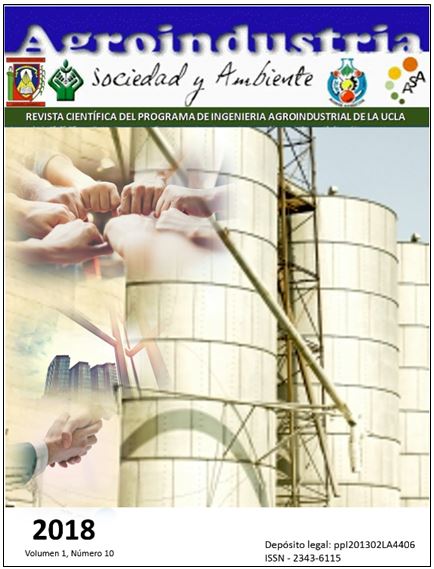
AGROINDUSTRIA, SOCIEDAD Y AMBIENTE es una revista científica de acceso abierto, multidisciplinaria en temas prioritarios de agroindustria, sistemas productivos, tecnología de productos de origen vegetal y animal, fisiología y tratamientos poscosecha, calidad de alimentos, alimentos funcionales, microbiología de los alimentos, ecología y problemas ambientales, biotecnología, transferencia de tecnología, educación, gerencia e inclusive temáticas con abordaje social. Editada en la Universidad Centroccidental Lisandro Alvarado (UCLA) (ROR:03qgg3111), Venezuela. De publicción semestral, en idiomas español, inglés y portugués.
e-ISSN 2343-6115.
Contacto: revistaasa@ucla.edu.ve, revistaasa@gmail.com

BIOAGRO es una revista científica de acceso abierto del Decanato de Agronomía de la Universidad Centroccidental Lisandro Alvarado (UCLA) (ROR:03qgg3111), Venezuela. Publica trabajos científicos originales e inéditos en ciencias agrícolas. Su periodicidad es cuatrimestral y se publica en los meses de enero, mayo y septiembre. ISSN:1316-3361, e-ISSN: 2521-9693. Contacto: bioagro@ucla.edu.ve y revistabioagro@gmail.com
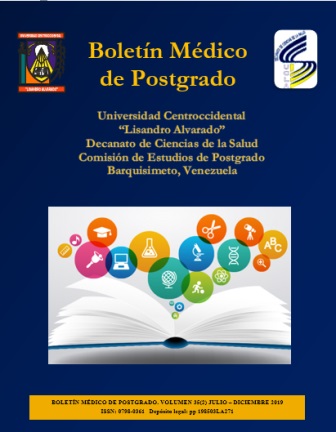
BOLETIN MÉDICO DE POSTGRADO es una publicación científica de acceso abierto, arbitrada e indizada, de circulación semestral, creada para la difusión de los resultados de las investigaciones realizadas en pregrado y postgrado en el Decanato de Ciencias de la Salud de la Universidad Centroccidental Lisandro Alvarado (UCLA) así como investigaciones realizadas en instituciones nacionales e internacionales en el campo de la salud humana. Se aceptan artículos en idioma español e inglés. ISSN digital 2791-3848, ISSN impreso: 0798-0361. Contacto: boletinmedicopostgrado@ucla.edu.ve

CALIDAD, TECNOLOGÍA Y DESARROLLO AGROINDUSTRIAL (CATEDEA), es una revista científica de acceso abierto especializada en Ciencias del agro y del mar del Decanato de Agronomía de la Universidad Centroccidental Lisandro Alvarado (UCLA), de acceso abierto, indexada, arbitrada, de publicación anual y en idioma español. Su línea editorial contempla temas especializados en la agroindustria, entre otros, creación, aplicación y desarrollo de estrategias para el aseguramiento de la calidad en la producción de alimentos, garantizando calidad, inocuidad y seguridad alimentaria. e-ISSN 2477-9288. Contacto: catedea@ucla.edu.ve.
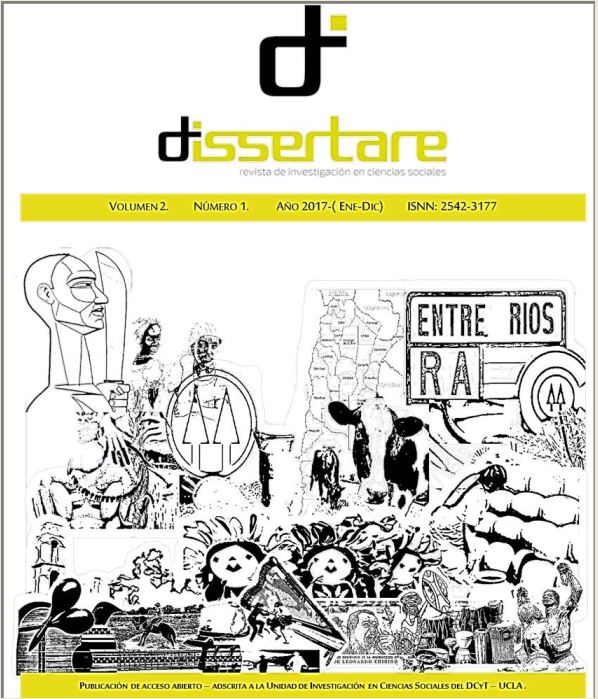
DISSERTARE es una revista científica digital de acceso abierto y gratuito, arbitrada e indizada. De periodicidad semestral, con modalidad de publicación continua. Publica dos números al año, correspondientes a los períodos enero-junio y julio-diciembre, con fecha de cierre 31 de enero y 31 de julio, respectivamente. Adscrita a la Unidad de Investigación en Ciencias Sociales del Decanato de Ciencias y Tecnología (UICIS-DCyT) de la Universidad Centroccidental Lisandro Alvarado (UCLA) (ROR:03qgg3111), Venezuela. Divulga resultados o avances de investigación, propuestas, casos o experiencias de interés científico en el orden social, humanístico y tecnológico. e-ISSN 2542-3177. Contacto: revistadissertare@ucla.edu.ve, revistadissertare@gmail.com
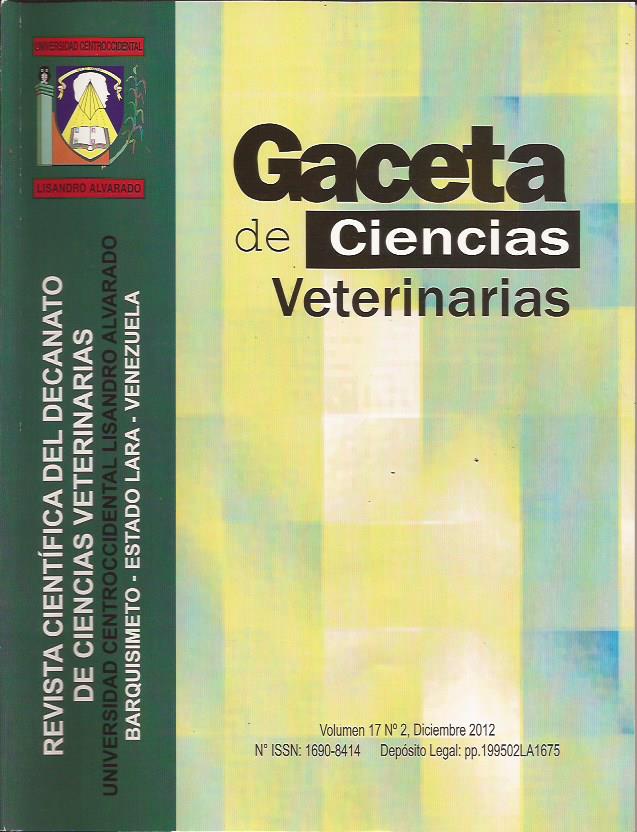
GACETA DE CIENCIAS VETERINARIAS es la Revista Científica arbitrada de acceso abierto del Decanato de Ciencias Veterinarias de la Universidad Centroccidental Lisandro Alvarado (UCLA) (ROR:03qgg3111), Venezuela, dedicada a publicar trabajos originales e inéditos en Ciencias Veterinarias. De periodicidad semestral, se aceptan trabajos en los idiomas Español e Inglés. EISSN: 2957-7683, ISSN 1690-8414. Contacto: gacienvet@ucla.edu.ve.
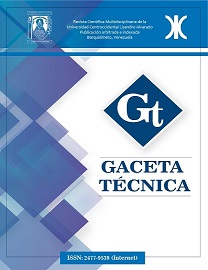
GACETA TÉCNICA es una revista científica que se publica desde el año 2000, de periodicidad semestral, de acceso abierto, arbitrada e indexada, del Decanato de Ingeniería Civil y Urbanismo de la Universidad Centroccidental Lisandro Alvarado (ROR:03qgg3111), Venezuela. Dirigida a profesionales, investigadores y académicos del área de la ingeniería civil en todas sus ramas, arquitectura y urbanismo. Constituye un espacio académico de carácter interdisciplinario y multidisciplinario, construido entre las tres disciplinas para la divulgación de trabajos científicos originales. Indexada en Latindex Catálogo, Redalyc, DOAJ, Dialnet, Scielo, ERIH PLUS. EBSCO
e-ISSN 2477-9539, ISSN 1856-9560.
Contacto: gacetadic@ucla.edu.ve, gacetadic@gmail.com
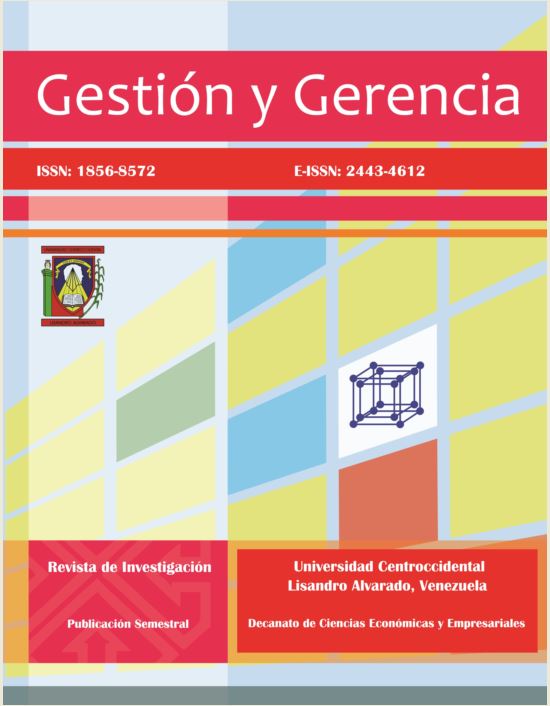
GESTIÓN Y GERENCIA es una revista científica adscrita al Centro de Investigación del Decanato de Ciencias Económicas y Empresariales (DCEE) de la Universidad Centroccidental Lisandro Alvarado (UCLA), Venezuela, orientada a la publicación publicación de artículos de investigaciones sobre temas relativos a la gestión, la gerencia y las ciencias sociales con énfasis en temas económicos, empresariales sociales y comunitarios en I+D+i. La revista recibe colaboraciones permanentemente, de periodicidad semestral con números en Enero-Junio y Julio-Diciembre. ISSN 1856-8572, EISSN: 2443-4612. Contacto: revistagyg@ucla.edu.ve, gestionygerencia@gmail.com.
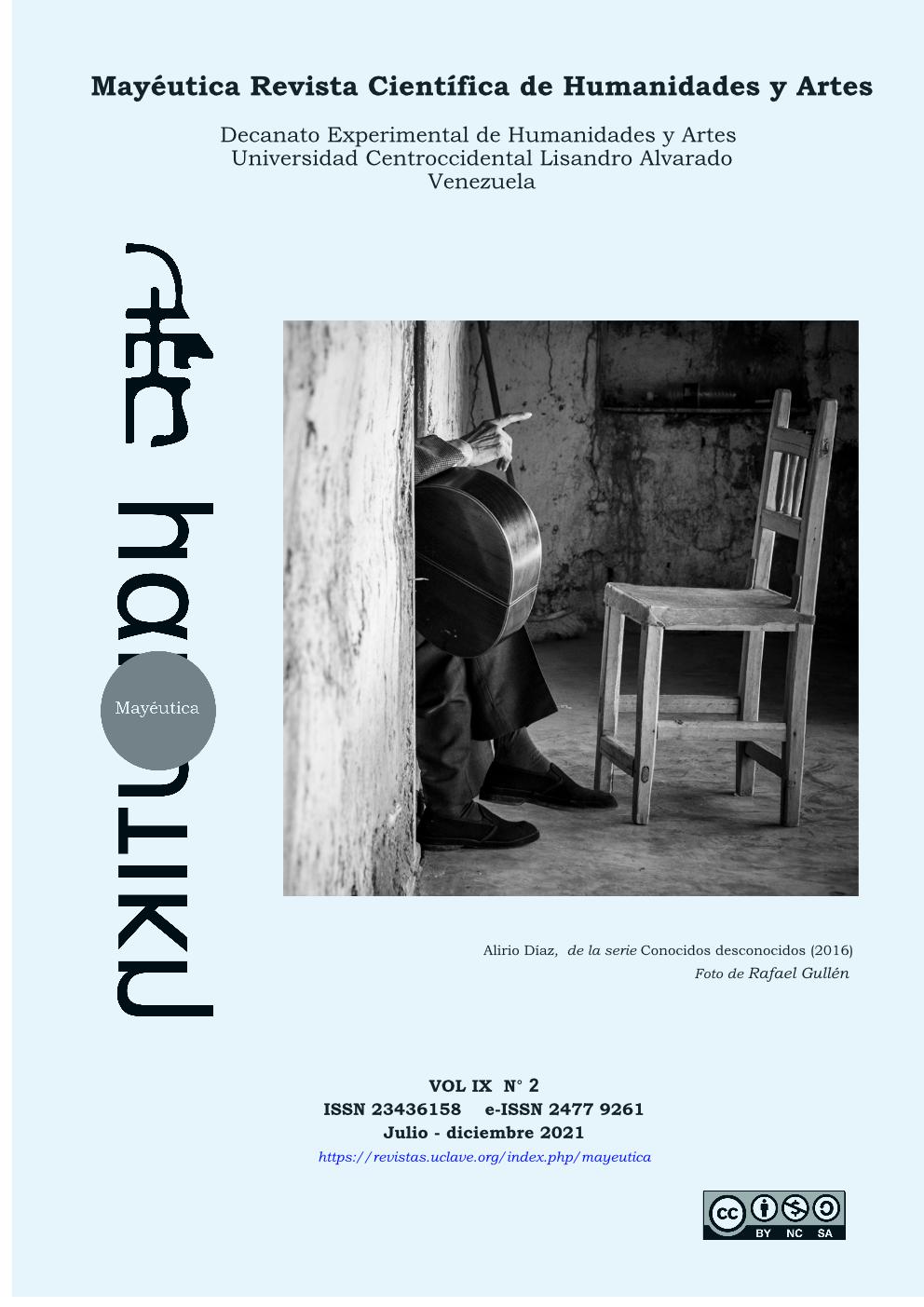
Mayéutica revista científica de humanidades y artes es una publicación científica semestral de acceso abierto, arbitrada, indexada, que publica investigaciones y ensayos en el área de las humanidades, artes y ciencias sociales, sin cargos para sus colaboradores o autores. Tiene un carácter transdisciplinar y está dirigida a educadores, estudiantes, investigadores, público de la comunidad académica y toda aquella persona que tenga interés en el conocimiento de las áreas de las humanidades, artes y las ciencias sociales. Todo el contenido de la revista está disponible gratuitamente sin costo alguno para el usuario o su institución. Los usuarios pueden leer, descargar, copiar, distribuir, imprimir, buscar o vincular los textos completos de los artículos, o utilizarlos para cualquier otro fin lícito, sin pedir permiso previo al editor o al autor. Es editada ´por el Decanato Experimental de Humanidades y Artes de la Universidad Centroccidental Lisandro Alvarado (UCLA), Venezuela. Correo: mayeutica@ucla.edu.ve ISSN 2343-6158, e-ISSN 2477-9261.
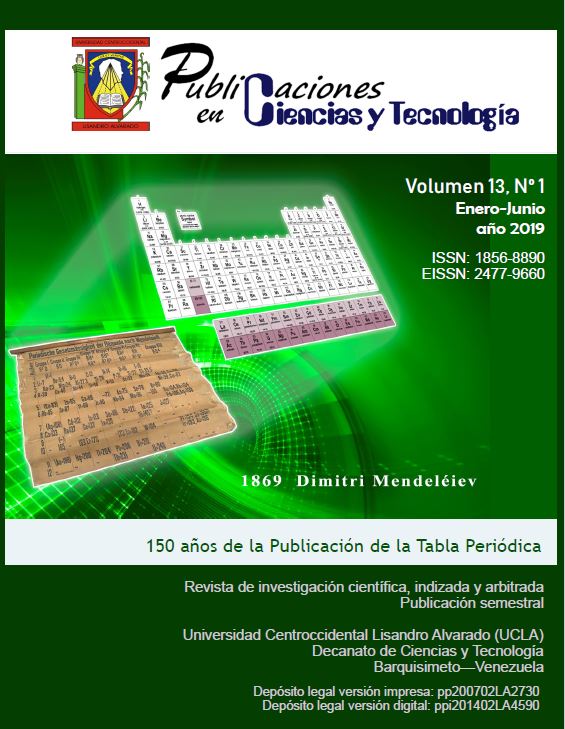
PUBLICACIONES EN CIENCIAS Y TECNOLOGÍA es una revista científica de acceso abierto y gratuito, arbitrada e indizada, de publicación semestral. Creada en el año 2007, es editada en el Decanato de Ciencas y Tecnología de la Universidad Centroccidental Lisandro Alvarado (UCLA), Barquisimeto, Venezuela. Publica trabajos originales e inéditos escritos en español o en inglés en las áreas de ciencias exactas, ciencias de la tierra, y de Ingeniería. ISSN: 1856-8890, e-ISSN: 2477-9660. Contacto: revistapcyt@ucla.edu.ve, revistapcyt@gmail.com.
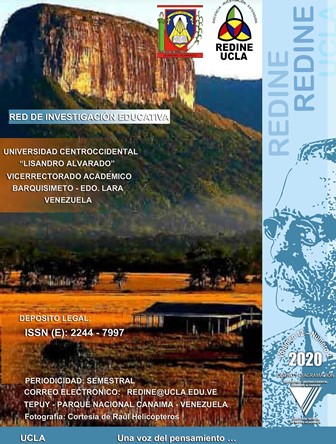
La REVISTA ELECTRÓNICA REDINE: es una revista científica creada a finales del año 2009. Es de acceso abierto, de periodicidad semestral, indizada y arbitrada, utiliza el sistema de arbitraje doble ciego, editada por la Universidad Centroccidental Lisandro Alvarado (ROR:03qgg3111), Estado Lara - Venezuela
Su público está conformado por docentes, investigadores, productores independientes, estudiantes y profesionales del área educativa y afines, tanto a nivel nacional como internacional.
Su propósito es generar un espacio de análisis y reflexión en el ámbito educativo. Asimismo, promueve el desarrollo de la producción académica realizada por expertos en el área de la educación y aportes que se produzcan desde otras disciplinas. Se permite la publicación de Ensayos, Artículos científicos, Artículos de Reflexión, Ponencias o publicaciones derivadas de eventos, Reseñas Bibliográficas, Biografías e informes de investigación en los distintos enfoques metodológicos existentes, propuestas y experiencias educativas, revisiones documentales, reseñas que contengan análisis o comentarios de literatura científica reciente, trabajos orientados al tratamiento y profundización de la información en los campos de estudio de las ciencias de la educación.
ISSN 2244–7997.
Contacto: redine@ucla.edu.ve - uclaredine@gmail.com
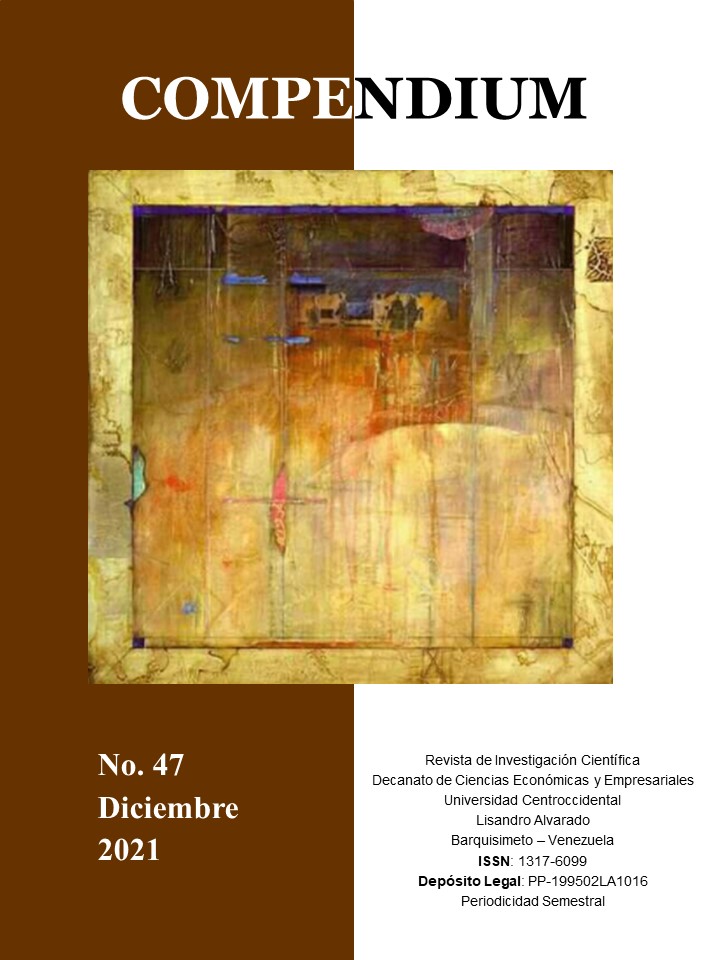
COMPENDIUM es una Revista científica arbitrada, indizada y de acceso abierto y gratuito editada en el Decanato de Ciencias Económicas y Empresariales de la Universidad Centroccidental Lisandro Alvarado (UCLA), Barquisimeto, Venezuela. De frecuencia semestral, en el área de las ciencias sociales. Abierta a todos los investigadores nacionales y extranjeros. Contacto: compendium@ucla.edu.ve, ISSN 1317-6099, e-ISNN 2477-9725.
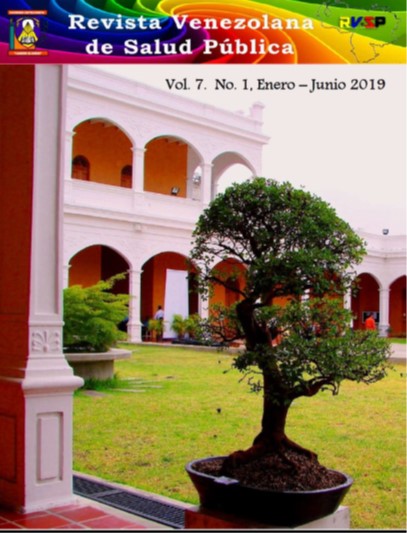
REVISTA VENEZOLANA DE SALUD PUBLICA es una Revista Científica de acceso abierto, arbitrada e indexada, adscrita al Decanato de Ciencias de la Salud de la Universidad Centroccidental Lisandro Alvarado (UCLA), Venezuela. Publica, difunde y promociona artículos de investigación en el campo de la salud pública. Su periodicidad es semestral. Se aceptan trabajos en idioma Español e Ingles. Contacto: rvsp@ucla.edu.ve, rvsaludpublica@gmail.com. ISSN: 2343-5534 ISSN-L: 2343-5526.
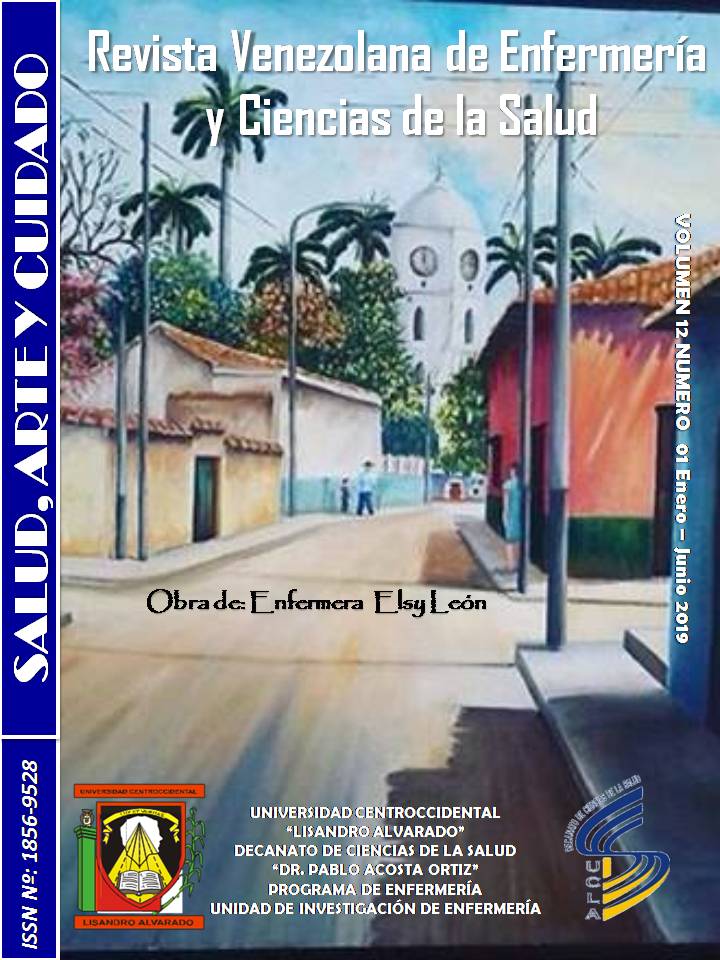
SALUD,ARTE Y CUIDADO (SAC) es una revista científica de acceso abierto, arbitrada e indizada de la Unidad de Investigación del Programa de Enfermeria del Decanato de Ciencias de la Salud de la Universidad Centroccidental Lisandro Alvarado (UCLA), Venezuela. Su publicación es semestral, acepta trabajos científicos relacionados con Enfermería y demás Ciencias afines en su filosofía del cuidado. La revista recibe los manuscritos en forma permanente, con cierres de edición en los meses de Julio y Diciembre. Correo: saludarte@ucla.edu.ve. ISSN 1856-9528, EISSN 2957-4463.
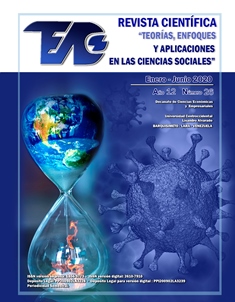
TEORÍAS, ENFOQUES Y APLICACIONES EN LAS CIENCIAS SOCIALES (TEACS) es una revista científica, arbitrada e indizada de publicación semestral, totalmente gratuita, con acceso abierto, editada en el Decanato de Ciencias Económicas y Empresariales de la Universidad Centroccidental Lisandro Alvarado (ROR:03qgg3111), Venezuela, dedicada al desarrollo y promoción de la investigación en el área de las Ciencias Sociales, con especial interés en los campos y áreas afines a la Gerencia, como: Economía, Psicología (especialmente organizacional), Sociología, Antropología (especialmente antropología organizacional), Ciencia Política, Derecho, Administración y Algunas áreas educativas. Publica trabajos en Español y en Inglés.
Contacto: rteacs@ucla.edu.ve y revista.teacs@gmail.com
ISSN versión impresa: 1856-9773 - ISSN versión digital: 2610-7910.
Sobre este sistema de publicación
Versión utilizada y funcionamiento
PKP/DOC Learning OJS 3.2: A visual Guide To open Journal Systems
Guia Visual de OJS 3, por Frank Caballero
User guides, developer documentation and publishing tips for all of the Public Knowledge Project’s software. Open Journal Systems 3
Revistas Científicas UCLA
<Ir al inicio del Portal>
> Ágora de Heterodoxias
> Agroindustria , Sociedad y Ambiente
> Bioagro
> Boletín Médico de Postgrado
> Calidad, Tecnología y Desarrollo Agroindustrial (CATEDEA)
> Compendium
> Dissertare
> Gaceta Técnica
> Gaceta de Ciencias Veterinarias
> Gestión y Gerencia
> Mayeútica
> Publicaciones en Ciencias y Tecnología
> Revista Venezolana de Salud Pública
> Red de Investigación Educativa (REDINE)
> Salud, Arte y Cuidado
> Teorías, Enfoques y Aplicaciones en Ciencias Sociales (TEACS)

Contenido Visible desde: